Ishiyama-dera Temple
Set on the side of a mountain overlooking Lake Biwa, Ishiyama-dera temple with its famous Kannon image was a popular pilgrimage 1,000 years ago. It was founded in 749 and is headquarters of one of the Shingon Buddhist sects.
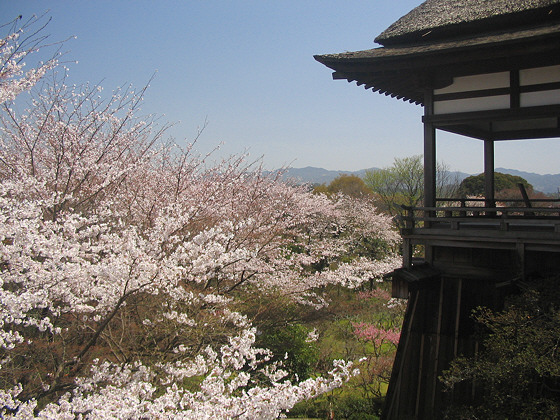
Cherry blossom beside the moon-viewing pavillion.
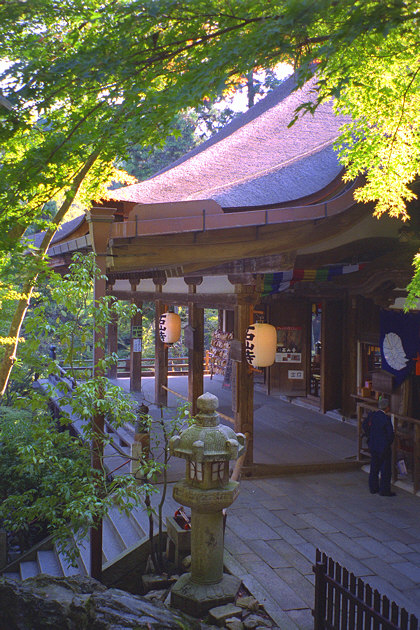
Ishiyamadera temple hondo.
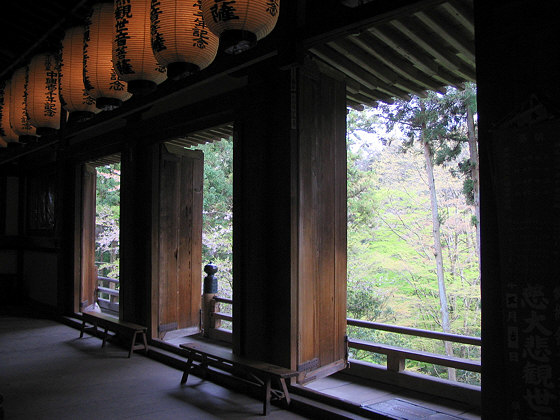
Lanterns inside the hondo.
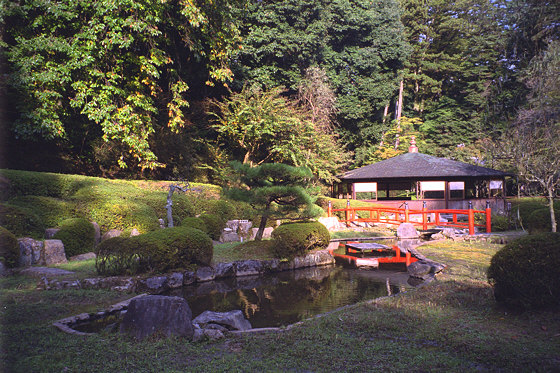
Muyu-En Garden in Autumn.
The temple is mentioned in The Tale of Genji written by Murasaki Shikibu shortly after the year 1000 and is the 13th temple of the Saigoku Kannon pilgrimage.
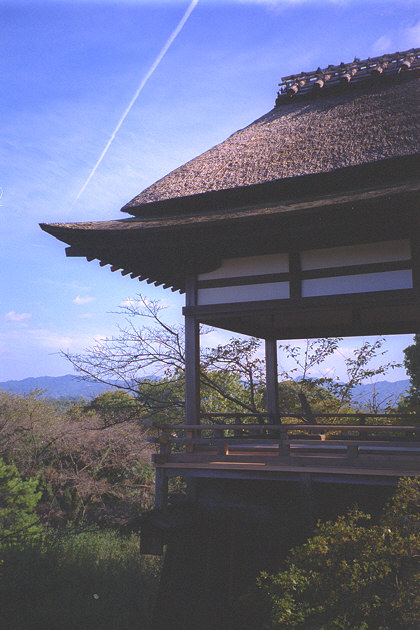
Moon-viewing pavillion above Ishiyama-dera which was visited by Emperor Go-Shirakawa at the end of the Heian Era.
Murasaki is said to have begun writing The Tale of Genji at Ishiyamadera Temple on the night of the full moon, August 1004. To commemorate this event, the temple maintains a Genji Room with a life-size figure of the author at work.
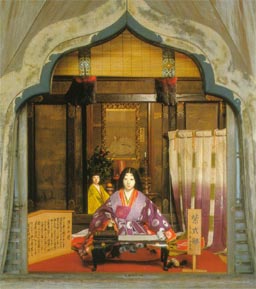
The Genji Room.
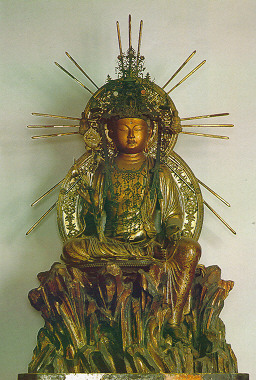
Nyorin Kannon with the Wheel of Law.
The temple's tahoto (treasure tower) was built by Minamoto Yoritomo in the Kamakura period, and is the oldest of its type in Japan.
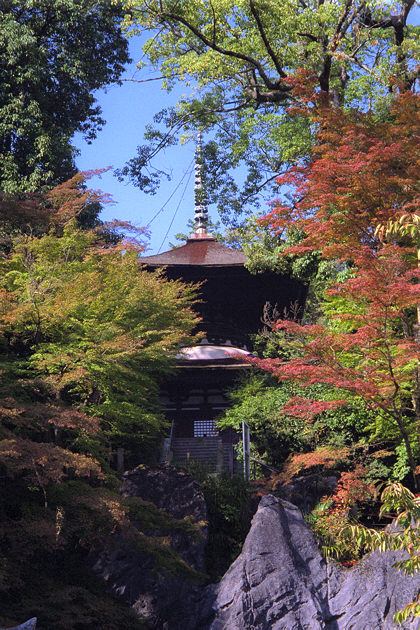
The tahoto in Autumn.
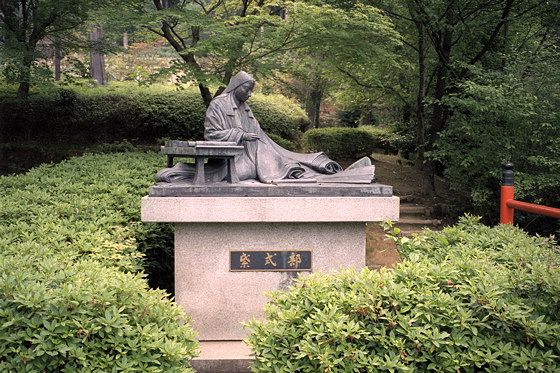
Statue of Murasaki Shikibu, author of The Tale of Genji, on the hillside at Ishiyama-dera.
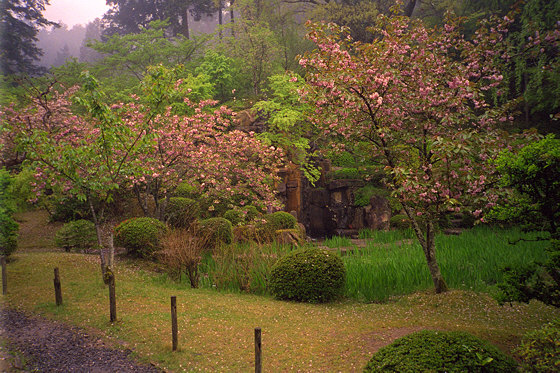
Cherry blossom in the Muyu-En Garden at Ishiyamadera Temple.
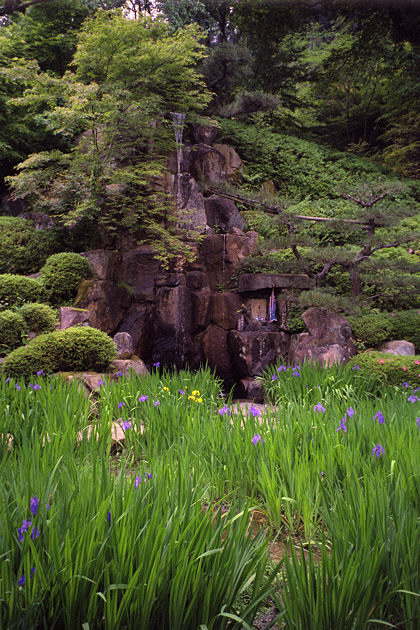
Irises in Muyu-en garden.
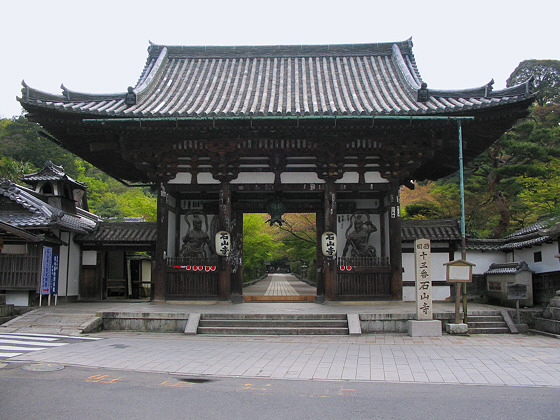
The entrance to Ishiyama-dera temple is guarded by two nio.
Ishiyama-dera is particularly beautiful during the cherry-blossom season. The temple's buildings and gardens are spread out over the mountain side.
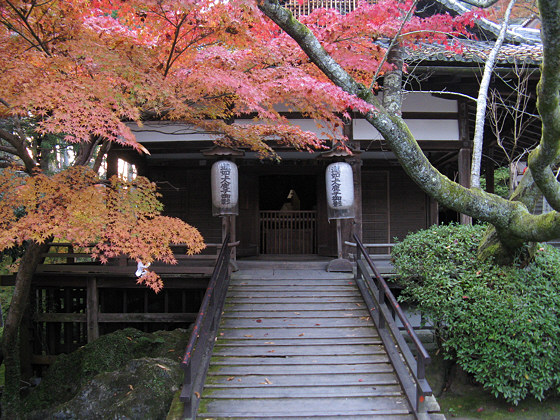
Momiji at Ishiyamadera Temple.
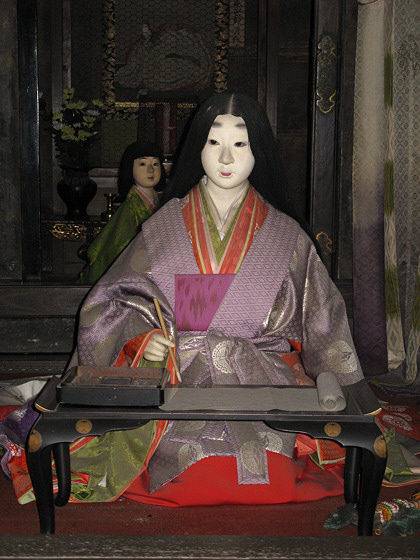
Figure of Murasaki in the Genji Room.
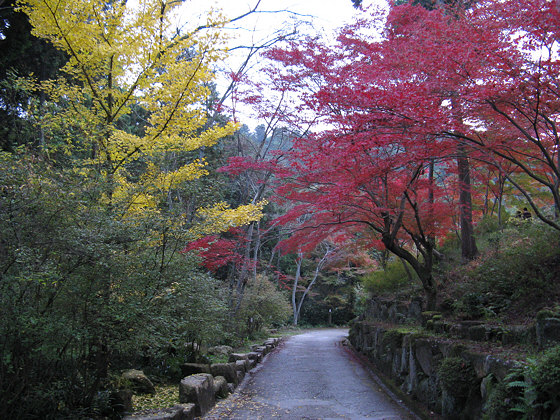
Path to the pond.
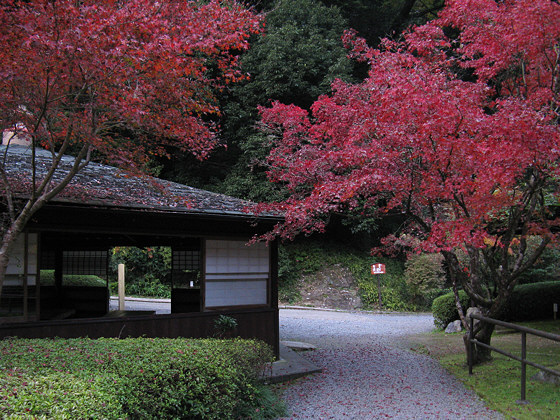
Autumn foliage at the pavillion.


